
What Makes a Home Feel High-End?
7 Interior Designer Secrets
You don’t need a million-dollar budget to create a home that feels luxurious. In fact, some of the most elevated spaces we’ve worked on at Studio Rhodes weren’t about big price tags, they were about intentional, made to last choices.
As a Denver-based interior design studio, we specialize in creating one-of-a-kind homes full of soul. Layering natural materials, refined furnishings, and unapologetic character into every project. Below are seven interior designer secrets we use every day to help our clients achieve that timeless high-end look.
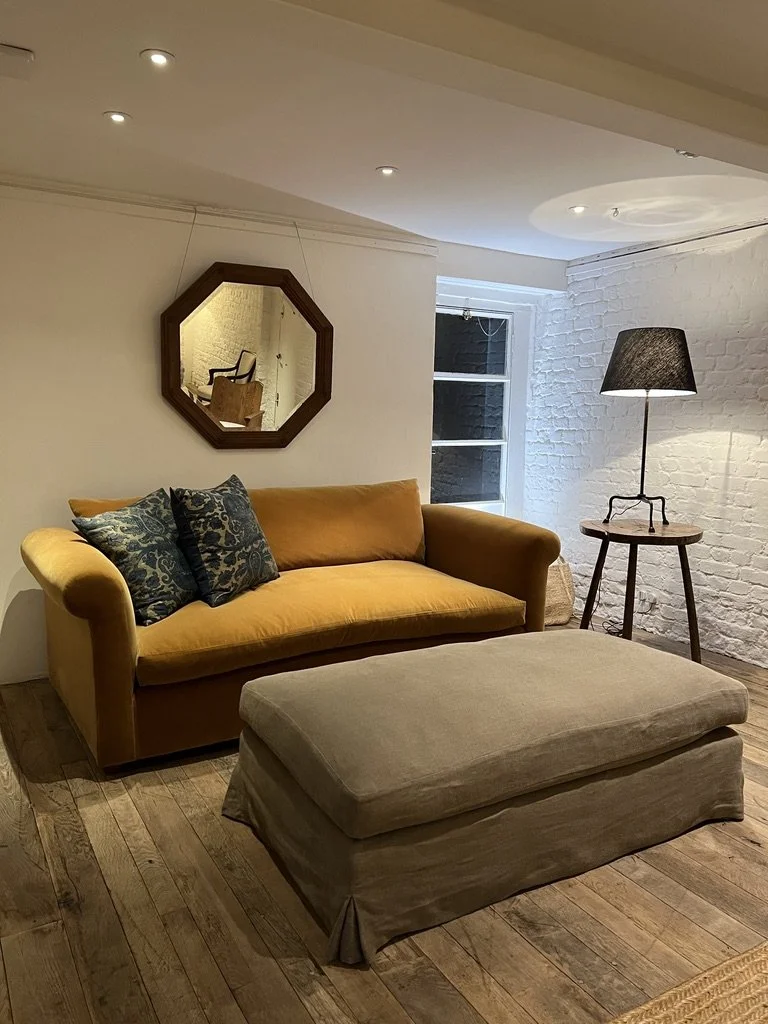
1. Focus on Function & Flow, Not Just Filling a Room with Furniture
The first marker of a high-end home isn’t visible, it’s spatial. Well-designed homes flow, they work for you, not against you. Whether you’re walking into a mudroom or a formal living space, every room should feel like a natural progression from the next.
We start every project by evaluating how you move through your home, what frustrates you, and how your spaces need to serve you. Furniture placement, traffic patterns, and room functionality are all tailored during our Discovery Phase to create an effortless, intuitive flow.
2. Choose Materials That Age Gracefully
High-end design is rooted in materiality. We’re always drawn to natural elements that wear in, not out. Think:
Veined marble that patinas over time
Unlacquered brass that tells a story with every fingerprint
Oak, walnut, and limewash that hold texture and depth
These materials are timeless because they’re alive. They’re about longevity and have soul.
3. Layer Lighting Like a Pro
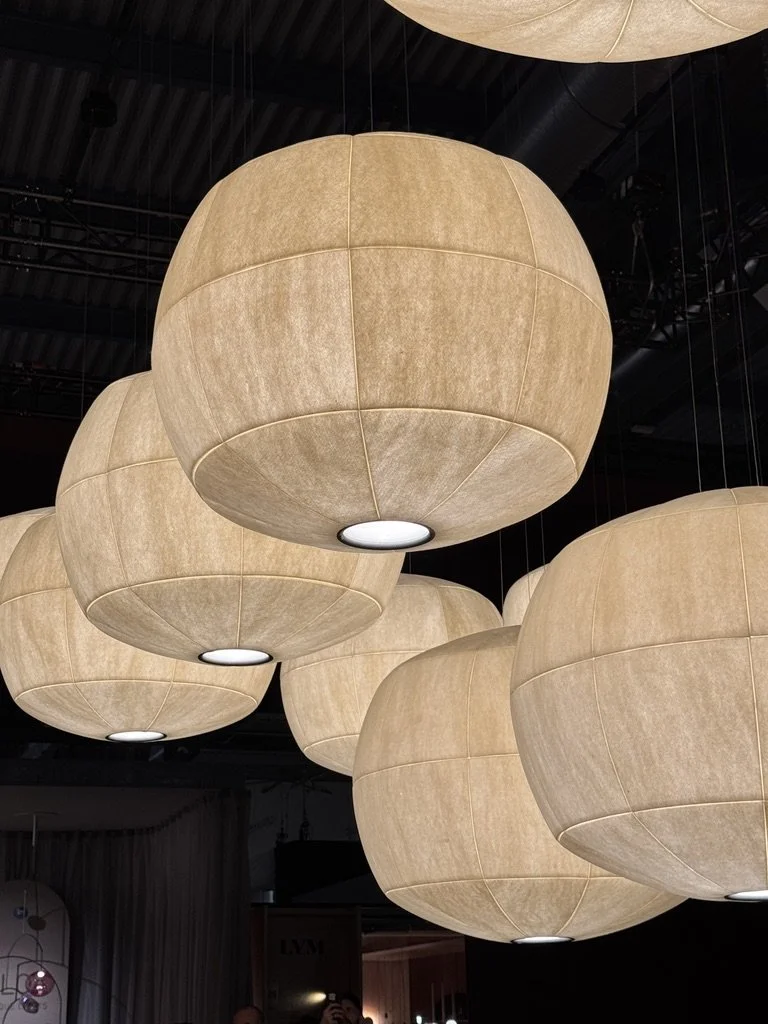
Want to know what instantly elevates a space? Great lighting. The kind that changes with the time of day and supports the way you actually live.
Every high-end home includes a balance of:
Ambient (overhead) lighting
Task lighting (think reading sconces and undercabinet LEDs)
Accent lighting (picture lights, candles, or even a petite lamp in the kitchen)
Don’t forget dimmers and 2700K Warm White light bulbs
4. Mind the Millwork
Crisp baseboards, flush detailing, thoughtful door casings and custom cabinetry details. Millwork is the unsung hero of luxury interior design, especially in newer builds where architectural interest can be lacking.
It doesn’t have to be ornate, even subtle trim or a paneling detail in a powder bath can completely shift the feeling of a room. It’s one of our favorite ways to add depth and character that feels both bespoke and functional.
5. Less Matching, More Curating
High-end homes never feel like they came from a catalog. Instead, they feel collected, as if each piece was chosen with intention and tells a story.
We love blending antique heirlooms with modern furniture, mixing wood tones, and styling unexpected elements next to refined materials. This is where our sourcing inspiration trips come in handy, nothing beats the patina of a well-loved object.
6. Elevated Textiles & Tailored Window Treatments
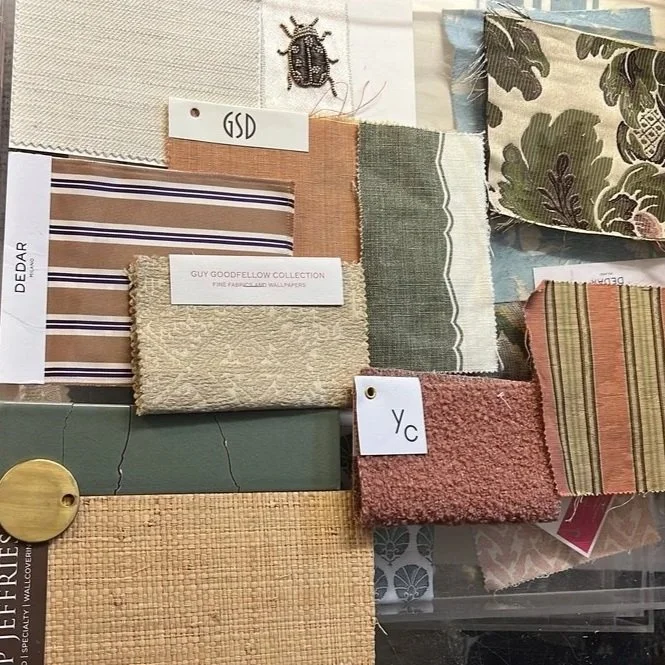
You’d be amazed what a difference good fabric makes.
Custom drapery that just kisses the floor. Natural linens with texture and weight. Upholstery that feels as good as it looks.
Even one elevated textile—like a heavy linen Roman shade or a handwoven area rug—can anchor a space. And when window treatments are done right, they add softness and intention to the architecture itself.
7. Art Placement > Art Price
Art doesn’t have to be expensive to be impactful. The secret is in the curation and the placement.
We help clients source meaningful art and frame it thoughtfully. Oversized pieces to create drama. Smaller pieces to create intimacy. The right art collection is balanced and always adds depth & personality.
Ready to Elevate Your Space?
Luxury is a feeling, and it starts with the details. If you’re ready to bring more intention and beauty into your home, we’d love to help.
Thanks for being here,
Sarah Rhodes
Founder, Studio Rhodes